本記事は「The Nature of Systems(システムの本質)」知識領域(KA)の一部である。システム科学とシステムズエンジニアリングにおいて確立された知識を、SEBoK 向けに整理・集約したものである。起草には OpenAI の ChatGPT の支援を受けており、全ての内容は著者がレビューして確定させたもので、著者が全責任を負う。
序論
振る舞いとダイナミクスは、システムが時間とともにどのように作用し、変化するかを記述する。振る舞い(behavior)は、システムの外部から観察できる応答や出力を指し、ダイナミクス(dynamics)は、そうした振る舞いを生み出す内部のプロセスと相互作用を指す。両者はあわせて Form を内側から捉える視点を与え、アイデンティティや一体性といった概念を補完する。また、『Cycles and Phases of Systems(システムのサイクルとフェーズ)』で述べる時間的なリズムとは区別される。
振る舞いとダイナミクスを理解することは、システムズエンジニアにとって極めて重要である。フィードバック、閾値、アトラクタといった内部ダイナミクスは、システムがストレス下でどのように振る舞い、変化にどう適応し、あるいはどのように機能不全に陥るかを左右する。これらの仕組みは、『Cycles and Phases(サイクルとフェーズ)』で述べる Function の反復的な時間的パターンの基盤となるが、それと同一ではない。
SE への教訓(Lesson for SE):適応ダイナミクスは、システムが衝撃を吸収し再構成することを可能にし、レジリエンスを高めるが、予測不可能性や意図しない結果をもたらすこともある。
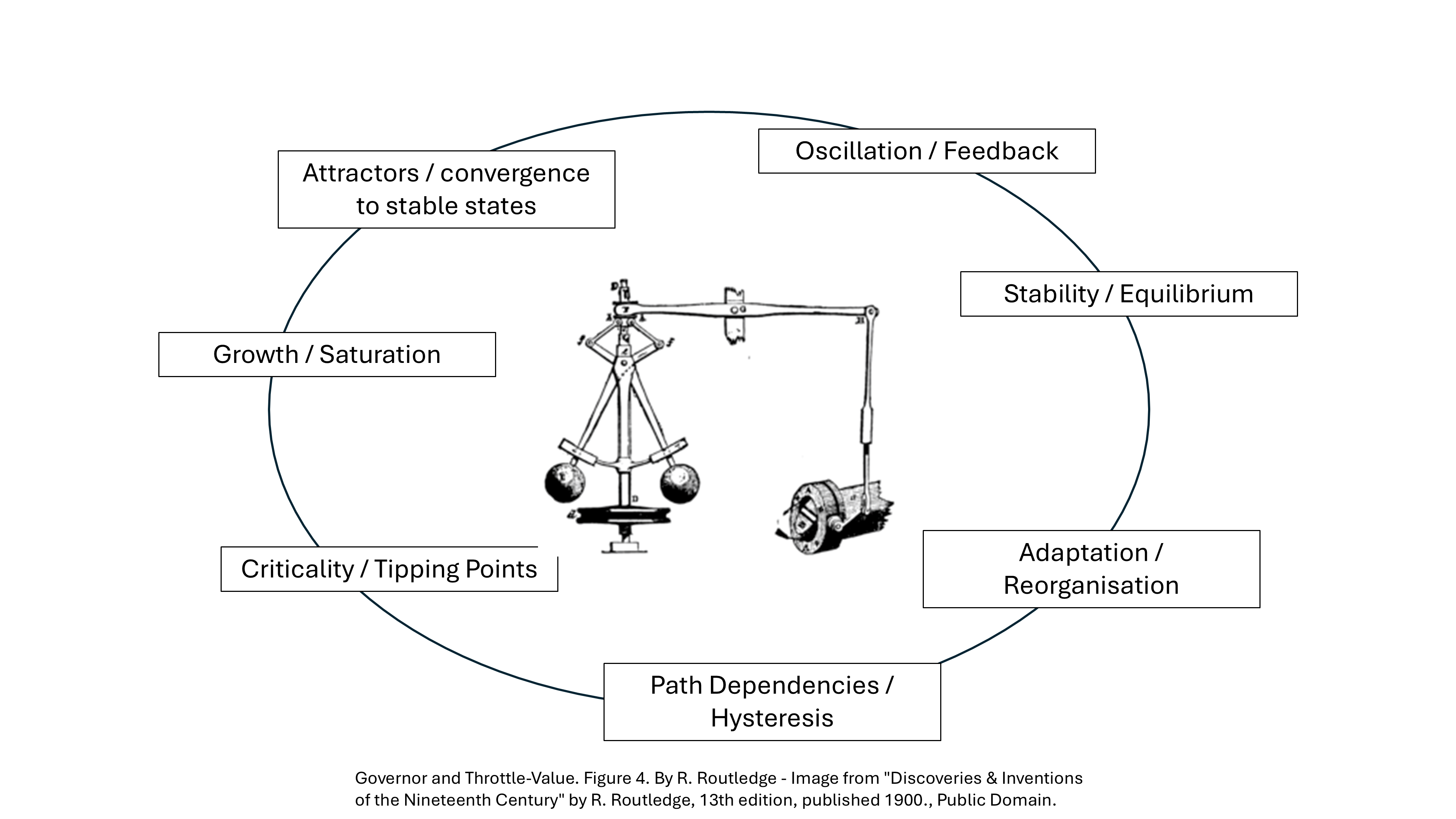
図1. システムの振る舞いとダイナミクスのアーキタイプ(SEBoK Original)
図中の英語
Oscillation / Feedback
振動/フィードバック
Stability / Equilibrium
安定性/平衡
Adaptation / Reorganisation
適応/再組織化
Path Dependencies / Hysteresis
経路依存性/ヒステリシス
Criticality / Tipping Points
臨界性/転換点
Growth / Saturation
成長/飽和
Attractors / convergence to stable states
アトラクタ/安定状態への収束
Governor and Throttle-Value. Figure 4. By R. Routledge - Image from 'Discoveries & Inventions of the Nineteenth Century' by R. Routledge, 13th edition, published 1900., Public Domain.
調速機とスロットルバルブ。図4。R. Routledge 作。『Discoveries & Inventions of the Nineteenth Century』(R. Routledge、第13版、1900年刊)からの画像。パブリックドメイン。
Åström, K. J., and R. M. Murray. (2008). Feedback Systems: An Introduction for Scientists and Engineers. Princeton, NJ, USA: Princeton University Press. Available at: https://fbswiki.org
Boulding, K. E. (1956). General systems theory: The skeleton of science. Management Science, 2(3), 197–208. https://doi.org/10.1287/mnsc.2.3.197
Forrester, J. W. (1961). Industrial dynamics. Cambridge, MA: MIT Press.
Gleick, J. (1987). Chaos: Making a New Science. New York, NY, USA: Viking.
Meadows, D. H., Meadows, D. L., Randers, J., and W. W. Behrens III. (1972). The Limits to Growth. New York, NY, USA: Universe Books.
Mitchell, M. (2009). Complexity: A Guided Tour. Oxford, UK: Oxford University Press.
Mobus, G. E., & Kalton, M. C. (2015). Principles of systems science. New York, NY: Springer.
Rosen, R. (1985). Anticipatory systems: Philosophical, mathematical and methodological foundations. Oxford, UK: Pergamon Press.
Troncale, L. R. (2001). The future of the natural systems sciences. In G. Ragsdell & J. Wilby (Eds.), Understanding complexity (pp. 309–330). Boston, MA: Springer. https://doi.org/10.1007/978-1-4615-1313-1_25.
Troncale, L. R. (2014). SPT I: Identifying fundamental systems processes for a general theory of systems. Proceedings of the 56th Annual Meeting of the International Society for the Systems Sciences (ISSS), San Jose, CA, USA. Retrieved from https://journals.isss.org/index.php/proceedings56th/article/view/2145
Wiener, N. (1948). Cybernetics: Or Control and Communication in the Animal and the Machine. Cambridge, MA: MIT Press.
ISO/IEC/IEEE. (2023). ISO/IEC/IEEE 15288:2023 systems and software engineering — System life cycle processes. Geneva, Switzerland: International Organization for Standardization.
INCOSE. (2022). INCOSE systems engineering vision 2035: Engineering solutions for a better world. San Diego, CA: International Council on Systems Engineering.
Meadows, D. H. (2008). Thinking in systems: A primer. White River Junction, VT: Chelsea Green Publishing.
Taleb, N. N. (2012). Antifragile: Things that gain from disorder. New York, NY: Random House.