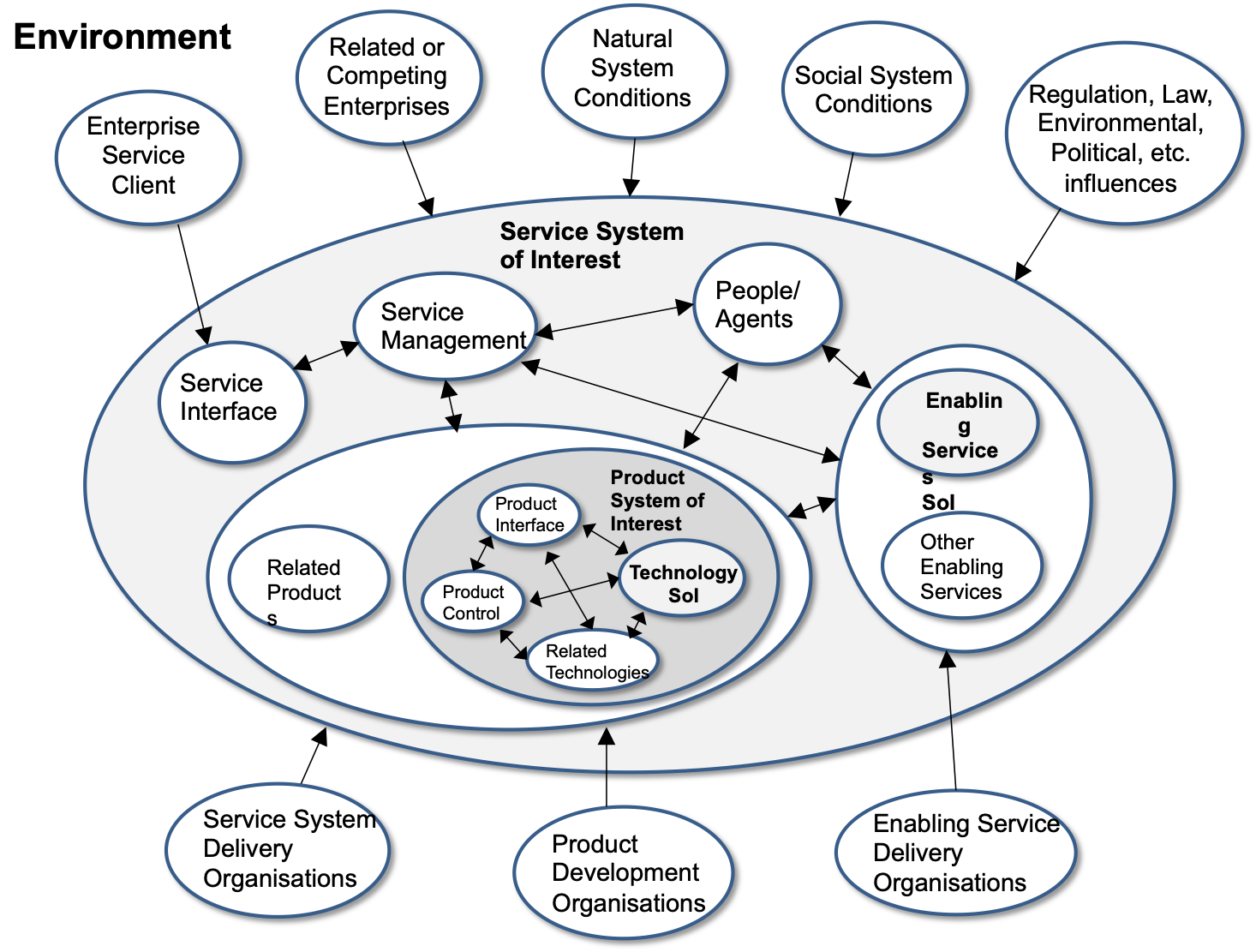
図1:対象となるエンジニアード・システム(SoI)の一般的なタイプ(SEBoK original)
Engineered Systems
Engineered systems are purposeful, human-defined systems created to achieve specific objectives. They are central to systems engineering practice and include products, services, enterprises, and systems of systems (SoS). These systems must be conceived, developed, integrated, and sustained across complex life cycles, often within dynamic and unpredictable environments.
エンジニアード・システム(engineered systems)は、特定の目的を達成するために作られた、目的志向で人間が定義したシステムである。これらはシステムズエンジニアリングの実践の中核をなし、製品、サービス、エンタープライズ、システム・オブ・システムズ(SoS)がこれに含まれる。これらのシステムは、しばしば動的で予測不可能な環境の中で、複雑なライフサイクル全体にわたって構想、開発、統合、維持されなければならない。
This article complements related entries on Natural Systems and Socio-Technical Systems. Together, these perspectives provide a more holistic understanding of system types encountered in practice.
本記事は、関連項目である Natural Systems および Socio-Technical Systems を補完するものである。これらの視点を合わせることで、実践で遭遇するシステムのタイプを、より全体論的に理解できる。
Importantly, although engineered systems are designed and assembled by humans (and increasingly with AI assistance), they are not separate from nature. They are embedded within the physical world, governed by natural laws, and constrained by the same energy, material, and information flows that structure all natural systems. This duality, that engineered systems are both products of intentional design and participants in broader natural systems, is a key theme throughout this Knowledge Area.
重要なのは、エンジニアード・システムは人間によって(そしてますます AI の支援を受けながら)設計・組み立てられるものの、自然から切り離された存在ではないという点である。それらは物理的世界に組み込まれ、自然法則に支配され、あらゆる自然システムを構造化しているのと同じエネルギー、物質、情報の流れによって制約されている。エンジニアード・システムが「意図的な設計の産物」であると同時に「より広い自然システムへの参加者」でもあるというこの二重性は、本知識領域全体を貫く重要なテーマである。
Engineered systems are often conceptualized as distinct from natural systems. However, systems science reminds us that they are subsets of natural systems:
エンジニアード・システムは、しばしば自然システムとは別個のものとして概念化される。しかし、システム科学は、それらが自然システムの部分集合であることを改めて思い起こさせてくれる。
• They are composed of physical materials, constrained by the same thermodynamic and ecological principles that govern all natural processes.
• それらは物理的な材料で構成されており、あらゆる自然プロセスを支配するのと同じ熱力学的・生態学的原則に制約される。
• Their behaviors emerge from feedback loops, control mechanisms, and relational dynamics consistent with other systems in the universe.
• その振る舞いは、宇宙の他のシステムと整合するフィードバックループ、制御メカニズム、関係的ダイナミクスから創発する。
• They generate effects, intended or not, that interact with ecosystems, societies, and planetary systems.
• それらは、意図したものか否かにかかわらず、生態系、社会、惑星システムと相互作用する効果を生み出す。
The design of engineered systems therefore requires not only technical ingenuity, but also an appreciation for their ecological and systemic context. Engineering that is blind to natural laws or environmental coupling risks unsustainable or unstable outcomes. Conversely, engineered systems that align with natural cycles, resilience principles, and ecological limits can enable regenerative and adaptive capabilities at scale.
したがって、エンジニアード・システムの設計には、技術的な創意工夫だけでなく、その生態学的・システム的コンテキストへの理解が必要である。自然法則や環境との結合を顧みないエンジニアリングは、持続不可能な、あるいは不安定な結果を招くおそれがある。逆に、自然の循環、レジリエンスの原則、生態学的な限界に整合したエンジニアード・システムは、再生的で適応的な能力を大規模に可能にし得る。
This perspective resonates with foundational concepts explored in the articles on:
この視点は、以下の各記事で探究されている基礎的な概念と共鳴する。
• Cycles and Phases – highlighting lifecycle rhythms, renewal, and iteration
• Cycles and Phases ― ライフサイクルのリズム、再生、反復を強調する
• Value and Qualities – emphasizing stakeholder and systemic outcomes beyond function
• Value and Qualities ― 機能にとどまらない、ステークホルダーにとっての成果やシステム的な成果を重視する
• Experience and Consciousness – recognizing human-system interactions and feedback
• Experience and Consciousness ― 人間とシステムの相互作用およびフィードバックを認識する
• Natural Systems – describing self-organizing systems as constraints and inspirations
• Natural Systems ― 自己組織化システムを、制約として、また着想の源として記述する
Engineered systems are one class within broader taxonomies of systems developed in systems science. Several influential frameworks include:
エンジニアード・システムは、システム科学で発展してきた、より広範なシステム分類体系における1つのクラスである。影響力のある枠組みとして、以下のようなものがある。
• Boulding (1956): A hierarchical classification ranging from structures and organisms to social and transcendental systems.
• Boulding (1956):構造物や生物から社会的システムや超越的システムにまで及ぶ階層的分類。
• Checkland (1999): Five categories: natural systems, designed physical systems, designed abstract systems, human activity systems, and transcendental systems.
• Checkland (1999):5つのカテゴリ、すなわち、自然システム、設計された物理的システム、設計された抽象的システム、人間活動システム、超越的システム。
• Magee and de Weck (2004): A functional classification of systems by process (transform, transport, store, exchange, or control) and by the entity on which they operate (matter, energy, information, or value).
• Magee and de Weck (2004):プロセス(変換、輸送、貯蔵、交換、制御)と、システムが作用する対象(物質、エネルギー、情報、価値)とに基づく、システムの機能的分類。
Engineered systems are typically situated in the class of designed physical and abstract systems, where intentional function, lifecycle logic, and stakeholder goals are dominant, but still operating within natural constraints..
エンジニアード・システムは、典型的には『設計された物理的システム』または『設計された抽象的システム』に分類される。これらのシステムでは、意図的な機能、ライフサイクルの論理、ステークホルダーの目標が支配的となるが、システムは依然として自然の制約の中で動作している。
Engineered systems can be grouped into four general contexts that are commonly recognized in systems engineering practice: product systems, service systems, enterprise systems, and systems of systems (SoS). Each represents a possible system of interest (SoI) within a life cycle.
エンジニアード・システムは、システムズエンジニアリングの実践で広く認められている4つの一般的なコンテキスト、すなわち製品システム、サービスシステム、エンタープライズシステム、そしてシステム・オブ・システムズ(SoS)に分類できる。それぞれが、ライフサイクルにおける対象システム(system of interest、SoI)となり得るものを表す。
Figure 1 illustrates these contexts. A product may exist as a technology-focused system, integrated into a service; services are delivered and sustained by enterprises; and in many cases, systems are combined to form larger systems of systems
図1に、これらのコンテキストを示す。製品は、テクノロジーに焦点を当てたシステムとして存在し、サービスに統合されることがある。サービスはエンタープライズによって提供・維持される。そして多くの場合、複数のシステムが組み合わされて、より大きなシステム・オブ・システムズを形成する。
図中の英語
A product system is an engineered system focused on the creation and delivery of tangible or intangible products, such as hardware, software, or information artifacts. The life cycle of a product system typically includes design, production, operation, sustainment, and eventual retirement.
製品システム(product system)は、ハードウェア、ソフトウェア、情報人工物といった、有形あるいは無形の製品の創出と提供に焦点を当てたエンジニアード・システムである。製品システムのライフサイクルには、典型的には、設計、生産、運用、維持、そして最終的な廃止が含まれる。
Products do not exist in isolation: they interact with people (operators, maintainers, producers) and are deployed within service systems that deliver capabilities to an enterprise or society. Effective product system engineering therefore requires attention to both the product itself and its wider context.
製品は単独で存在するわけではない。それらは人々(運用者、保守者、生産者)と相互作用し、エンタープライズや社会に能力を提供するサービスシステムの中に展開される。したがって、効果的な製品システムのエンジニアリングには、製品そのものと、それを取り巻くより広いコンテキストの双方に注意を払うことが求められる。
A service system is an engineered system that delivers outcomes or benefits to users. Services are processes or performances co-created with clients or stakeholders. Examples include transportation, healthcare, communications, and information technology services.
サービスシステム(service system)は、利用者に成果や利益を提供するエンジニアード・システムである。サービスとは、顧客やステークホルダーとともに共創されるプロセスあるいは遂行である。例としては、輸送、医療、通信、情報技術のサービスが挙げられる。
Service systems are often information-intensive and software-defined. They may involve combinations of products, people, and supporting infrastructure, integrated close to the point of use. Systems engineers address both the design of the service and the management of its delivery, ensuring performance, quality, and adaptability over time.
サービスシステムは、しばしば情報集約的で、ソフトウェアによって定義される。そこには、利用の場に近いところで統合された、製品、人々、支援インフラの組み合わせが含まれることがある。システムズエンジニアは、サービスの設計と、その提供の管理の双方に取り組み、時間を通じた性能、品質、適応可能性を確実にする。
An enterprise system is a purposeful network of people, processes, organizations, and technologies that interact to achieve shared goals. Enterprises are unique in that they are constantly evolving, rarely have fixed requirements, and typically balance multiple objectives such as customer satisfaction, stakeholder value, and long-term sustainability.
エンタープライズシステム(enterprise system)は、共通の目標を達成するために相互作用する、人々、プロセス、組織、テクノロジーからなる目的志向のネットワークである。エンタープライズが独特なのは、絶えず進化し続け、固定された要求事項を持つことがめったになく、典型的には顧客満足、ステークホルダー価値、長期的な持続可能性といった複数の目的のバランスを取っているという点である。
Systems engineering supports enterprises through enterprise architecture and related modeling approaches, which describe current capabilities and plan for future ones. These tools allow enterprises to align their strategy with the product and service systems that support their operations.
システムズエンジニアリングは、エンタープライズアーキテクチャ(enterprise architecture)およびそれに関連するモデリングアプローチを通じてエンタープライズを支援する。それらは現在の能力を記述し、将来の能力を計画するものである。これらのツールによって、エンタープライズは自らの戦略を、その運用を支える製品システムやサービスシステムと整合させることができる。
A system of systems (SoS) is an arrangement of independent systems that retain operational and managerial autonomy but are integrated to provide new capabilities. Examples include national defense networks, air traffic management systems, and smart cities.
システム・オブ・システムズ(system of systems、SoS)は、運用上および管理上の自律性を保ちつつ、新たな能力を提供するために統合された、独立したシステム群の編成である。例としては、国防ネットワーク、航空交通管理システム、スマートシティが挙げられる。
SoS engineering involves unique challenges, including governance, interoperability, and lifecycle coordination across independently managed systems. As integration technologies become more common, SoS considerations are increasingly central to modern systems engineering practice.
SoS のエンジニアリングには、独立して管理されるシステム間にまたがるガバナンス、相互運用性、ライフサイクルの調整といった、固有の課題が伴う。統合技術が普及するにつれて、SoS に関する考慮事項は、現代のシステムズエンジニアリングの実践においてますます中心的な位置を占めるようになっている。
Real-world engineering efforts often span multiple system types. For example:
現実のエンジニアリングの取り組みは、複数のシステムタイプにまたがることが多い。例えば、
• A satellite product is operated within a telecommunications service,
• 衛星製品は、電気通信サービスの中で運用され、
• Managed by an aerospace enterprise,
• 航空宇宙エンタープライズによって管理され、
• And integrated into a defence SoS.
• 国防 SoS に統合される。
Systems engineers must therefore define the system of interest (SoI) within a given project or activity, while remaining aware that it exists within broader systems-of-systems and natural environments.
したがって、システムズエンジニアは、所与のプロジェクトまたはアクティビティにおける対象システム(system of interest、SoI)を定義しなければならない。同時に、それがより広いシステム・オブ・システムズと自然環境の中に存在することに意識的であり続けなければならない。
This awareness includes:
この意識には、以下が含まれる。
• Defining clear boundaries and interfaces
• 明確な境界とインタフェースを定義すること
• Understanding enabling and interacting systems
• イネーブリングシステムと、対象システムと相互作用するシステムを理解すること
• Recognizing cycles of feedback and adaptation
• フィードバックと適応の循環を認識すること
• Designing with foresight into ecological and social impacts
• 生態学的・社会的影響を見通して設計すること
The article on Identity and Togetherness provides further perspective on boundary definition and system coherence across contexts.
Identity and Togetherness に関する記事は、コンテキストを横断した境界の定義とシステムの一貫性について、さらなる視点を提供している。
Engineered systems:
エンジニアード・システムは、
• Depend on natural systems for materials, energy, and stability (see Natural Systems: Principles and Attributes)
• 材料、エネルギー、安定性について自然システムに依存する(Natural Systems: Principles and Attributes を参照)
• Shape and are shaped by social systems, including regulation, usage, and cultural norms (see Value and the Quality of Systems)
• 規制、利用、文化的規範を含む社会システムによって形作られ、またそれを形作る(Value and the Quality of Systems を参照)
• Must evolve to fit within dynamic environmental conditions, respecting planetary boundaries and long-term resilience requirements
• プラネタリー・バウンダリー(地球環境の限界)と長期的なレジリエンスに必要な条件を踏まえながら、動的な環境条件に適合するよう進化しなければならない
As engineered systems become more complex and intelligent, they increasingly resemble natural systems, exhibiting self-organization, learning, and emergent behavior. This convergence suggests the need for system engineers to understand:
エンジニアード・システムがより複雑で知的になるにつれて、それらはますます自然システムに似たものとなり、自己組織化、学習、創発的振る舞いを示す。この収束は、システムズエンジニアが以下を理解する必要があることを示唆している。
• The limits and affordances of physical law
• 物理法則の限界とアフォーダンス
• The patterns of natural system organization
• 自然システムの組織化のパターン
• The ethical responsibilities of system design in relation to society and ecology
• 社会と生態に関わるシステム設計の倫理的責任
Engineered systems are intentional, human-defined systems developed to fulfill specific functions. Yet, they are also deeply natural, built within and governed by the physical world, and inevitably connected to broader ecological and social systems.
エンジニアード・システムは、特定の機能を果たすために開発された、意図的で人間が定義したシステムである。しかし、それらは深い意味で自然なものでもあり、物理的世界の中で構築されてその支配を受け、より広い生態学的・社会的システムと必然的につながっている。
By situating engineered systems within the wider landscape of systems types, this article supports a more integrated and reflective approach to engineering practice. It complements other articles in this Knowledge Area that explore the shared principles, behaviors, and values that cut across both natural and artificial systems.
本記事は、エンジニアード・システムをシステムタイプのより広い全体像の中に位置づけることで、エンジニアリングの実践に対する、より統合的で省察的なアプローチを支援する。また本記事は、自然システムと人工システムの双方にまたがって共有される原則、振る舞い、価値を探究する、本知識領域の他の記事を補完するものでもある。
Understanding this interconnection is essential for designing systems that are not only effective, but also sustainable, adaptable, and ethically coherent in the complex systems landscape of the 21st century.
こうした相互のつながりを理解することは、21世紀の複雑なシステムの様相において、効果的であるだけでなく、持続可能で、適応可能で、倫理的に一貫したシステムを設計するうえで不可欠である。
Boulding, K. E. (1956). “General systems theory: The skeleton of science.” Management Science, 2(3), 197–208.
Checkland, P. B. (1999). Systems Thinking, Systems Practice. Chichester, UK: John Wiley & Sons.
Magee, C. L., & de Weck, O. L. (2004). “Complex system classification.” Proceedings of the 14th Annual INCOSE International Symposium, Toulouse, France, June 2004.
ISO/IEC/IEEE 15288:2023. Systems and Software Engineering, System Life Cycle Processes. Geneva, Switzerland: ISO/IEC.
INCOSE. (2022). INCOSE Systems Engineering Vision 2035. San Diego, CA: International Council on Systems Engineering.
Dahmann, J., Baldwin, K. J., & Goodnight, J. (2020). “Systems of Systems Engineering: Essential Concepts and Practical Examples.” INCOSE International Symposium, Cape Town, South Africa.
Blanchard, B. S., & Fabrycky, W. J. (2010). Systems Engineering and Analysis (5th ed.). Upper Saddle River, NJ: Prentice Hall.
Maier, M., and E. Rechtin. 2009. The Art of Systems Architecting, 3rd Ed. Boca Raton, FL, USA: CRC Press.
Rebovich, G., & White, B. E. (eds.). (2011). Enterprise Systems Engineering: Advances in the Theory and Practice. Boca Raton, FL: CRC Press.