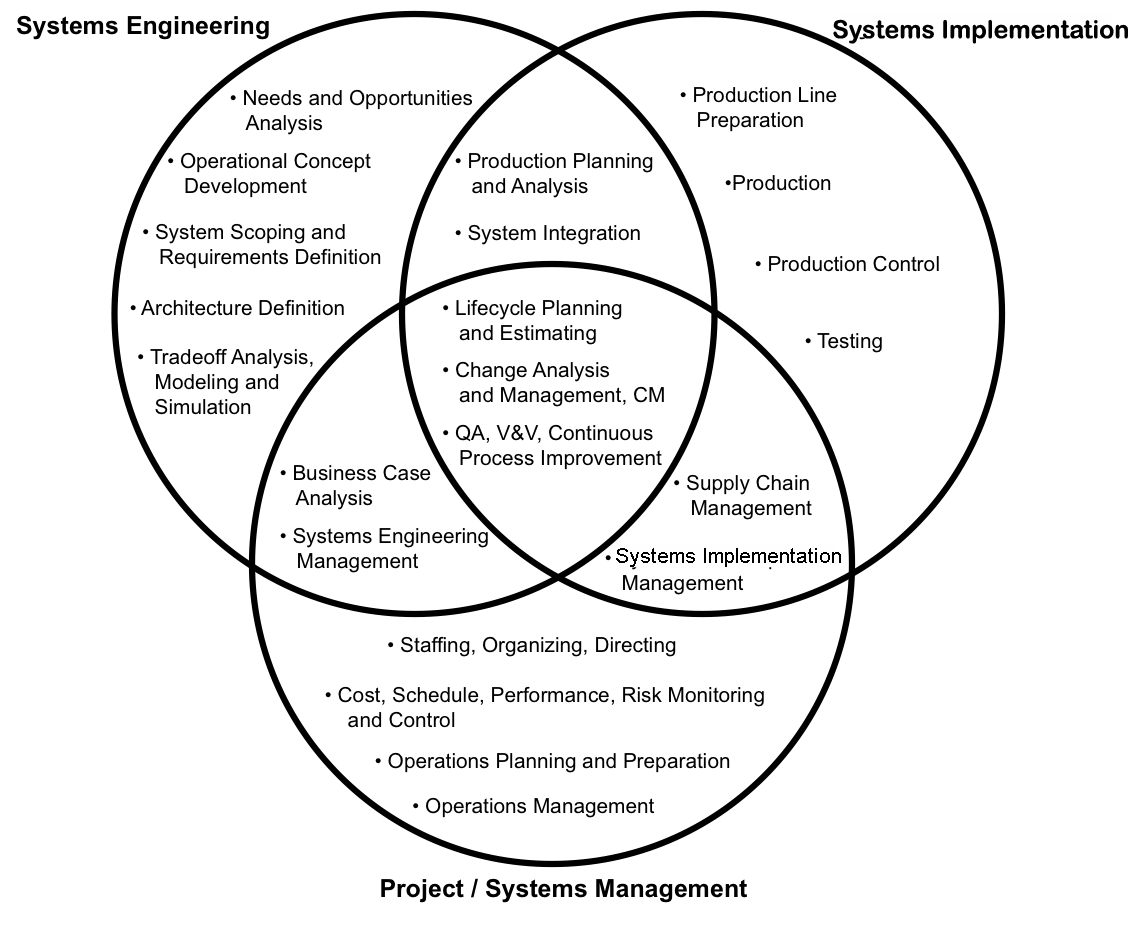
図1. システムズエンジニアリングマネジメントの境界。(SEBoK Original)
Technical Management Processes
This knowledge area is about managing the resources and assets allocated to perform systems engineering, often in the context of a project or a service, but sometimes in the context of a less well-defined activity. Systems engineering management is distinguished from general project management by its focus on the technical or engineering aspects of a project. SEM also encompasses exploratory research and development (R&D) activities at the enterprise level in commercial or government operations.
本知識領域は、システムズエンジニアリング(systems engineering)を実施するために割り当てられた資源と資産の管理を扱う。この管理は多くの場合プロジェクト(project)またはサービス(service)の文脈で行われるが、それほど明確に定義されていない活動の文脈で行われることもある。システムズエンジニアリングマネジメント(Systems Engineering Management、SEM)は、プロジェクトの技術面またはエンジニアリング面に焦点を当てる点で、一般的なプロジェクトマネジメント(project management)と区別される。SEM は、商業活動または政府活動におけるエンタープライズ(enterprise)レベルの探索的な研究開発(R&D)活動も包含する。
See the article Matrix of Implementation Examples for a mapping of case studies and vignettes included in Part 7 to topics covered in Part 3.
Part 7 に含まれるケーススタディとビネットの、Part 3 で扱われるトピックへの対応付けについては、「Matrix of Implementation Examples」の記事を参照のこと。
Implementing systems engineering (SE) requires the coordination of technical and managerial endeavors. Success with the technical is not possible in the absence of the managerial. Management provides the planning, organizational structure, collaborative environment, and program controls to ensure that stakeholder needs are met.
システムズエンジニアリング(SE)を実施するには、技術面の取り組みとマネジメント面の取り組みを調整する必要がある。マネジメント面の取り組みなしに、技術面で成功することはできない。マネジメントは、ステークホルダーのニーズが満たされることを確実にするために、計画、組織構造、協働環境、プログラム管理統制を提供する。
The Venn diagram below provides some context for thinking about SEM. It shows that some functions are managed within the SE function, while others are managed in collaboration with the management of systems implementation and with overall project and systems management.
以下のベン図は、SEM について考えるうえでの文脈をいくらか示すものである。この図は、一部の機能が SE 機能の中で管理され、他の機能がシステム実装のマネジメント、ならびに全体的なプロジェクトマネジメントおよびシステムマネジメントとの協働によって管理されることを示している。
図中の英語
There is no one-size-fits-all way to define the details of where SEM functions are performed. An in-company SE organization does not run its own accounting system, but relies on the corporate management organization for this aspect of SEM. A company performing only SE does include the accounting functions as part of SEM. In all cases, the managers of the SE function must be actively involved in the management of all the activities within the SE system boundary, including working out what collaborative arrangements best fit their situation. They must also remain aware of management events in their environment outside the system boundary that may affect their ability to perform. Part 6 of the SEBoK includes relevant knowledge areas for collaborative management, including Systems Engineering and Software Engineering, Systems Engineering and Project Management, Systems Engineering and Industrial Engineering, Systems Engineering and Procurement/Acquisition, and Systems Engineering and Quality Attributes.
SEM の機能をどこで実施するかを詳細に定めるうえで、あらゆる場合に通用する方法は存在しない。社内の SE 組織は独自の会計システムを運用せず、SEM のこの側面については企業の管理組織に依存する。一方、SE のみを実施する会社では、会計機能を SEM の一部として含める。いずれの場合でも、SE 機能のマネージャーは、SE システム境界内にあるすべての活動の管理に積極的に関与しなければならず、これには自らの状況に最も適した協働の取り決めを見出すことも含まれる。マネージャーは、自らの実施能力に影響を及ぼし得る、システム境界の外側にある環境内のマネジメント上の事象についても、認識し続けなければならない。SEBoK の Part 6 には、協働マネジメントに関連する知識領域として、「Systems Engineering and Software Engineering」、「Systems Engineering and Project Management」、「Systems Engineering and Industrial Engineering」、「Systems Engineering and Procurement/Acquisition」、「Systems Engineering and Quality Attributes」が含まれる。
None.
Blanchard, B.S. 2004. Systems Engineering Management, 3rd ed. New York, NY, USA: John Wiley & Sons Inc.
Sage, A.P. and W. Rouse. 2009. Handbook of Systems Engineering and Management, 2nd Ed. Hoboken, NJ, USA: John Wiley and Sons.
Rebentisch, E. 2017. Integrating Program Management and Systems Engineering, 1st Ed. Hoboken, NJ, USA: John Wiley and Sons.
None.